Realistic Cloth Rendering with a Ray-Wave Hybrid Shading Model
1Cornell University, 2NVIDIA
ACM Transactions on Graphics (SIGGRAPH Asia 2025)
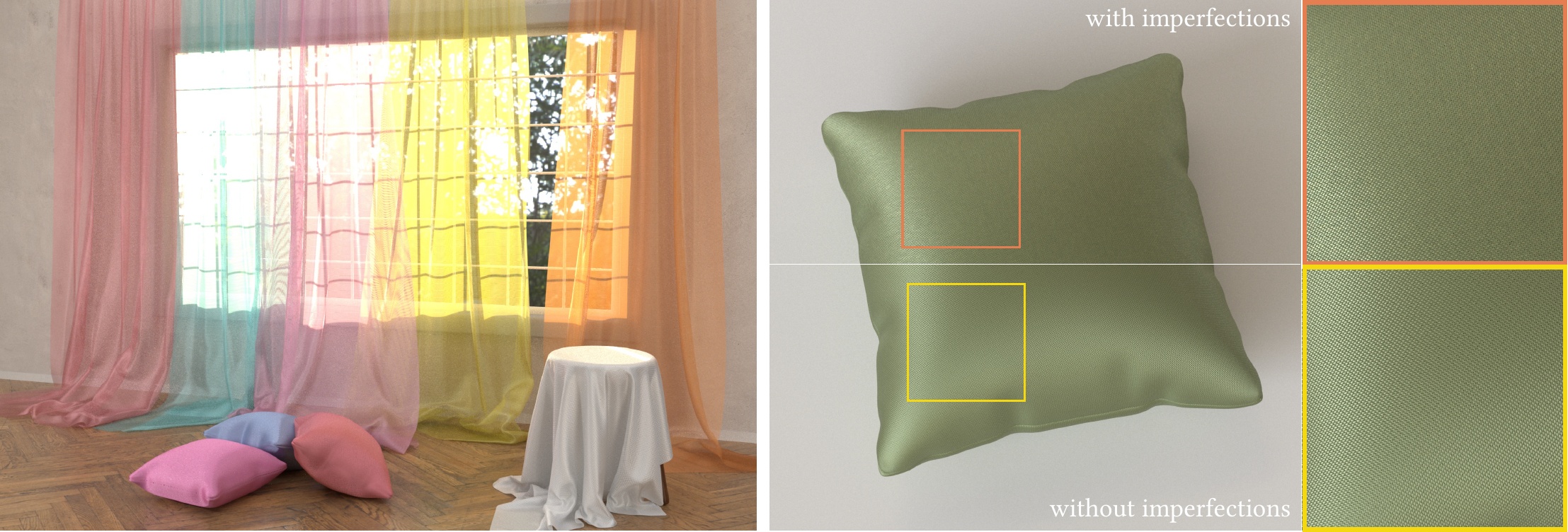
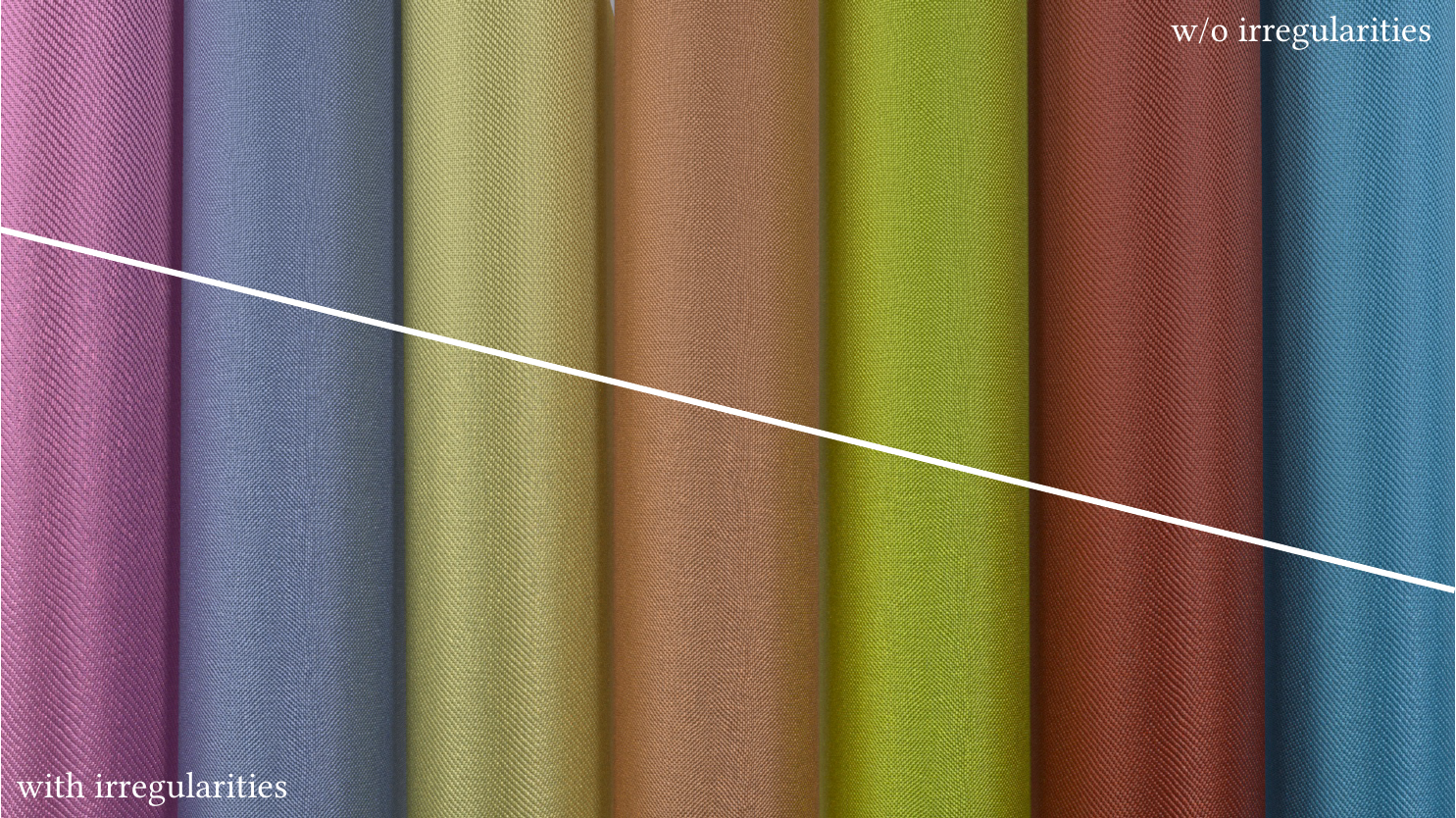
Our wave-ray hybrid ply model can simulate a wide range of woven fabrics, from translucent to completely opaque (left). By augmenting the average scattering response with per-instance variations, we can simulate imperfections on fabrics, resulting in a more realistic and visually rich appearance (right).
Abstract
Realistic fabric rendering is still a significant challenge due to their complex structures and varying fiber properties. We present a new fabric shading technique, which models both reflection and transmission using a hybrid of ray and wave optics methods, grounded in simulation data.
We target fabrics woven from yarns, each formed by twisting together one or more plies, which further contain twisted fibers. Our model is based on simulations that predict the scattering of a narrow Gaussian beam by a single ply. Comparing results from full-wave simulations and path tracing, we found that ray optics can accurately simulate the average far field scattering from an ensemble of plies, but not the variation among individual ply instances, and ray tracing overlooks important diffraction effects. Following these observations, our model is built from ray simulations performed for many ply instances, with simulation data fitted by Gaussian mixtures to be used during rendering. Wave simulations are used to calibrate noise functions that account for instance-to-instance variation, and an aperture diffraction model is used to handle light passing between plies and yarns.
The result is a hybrid model capable of producing realistic appearance and highlight structure in fabrics, while capturing spatial break-ups and irregularities and simulating the subtle color shifts and blurriness that occur in transmission. We validate our results by comparing rendered images with photographs, demonstrating the effectiveness of our approach in achieving realistic cloth rendering.
Fast Forward Video
Rendered Images
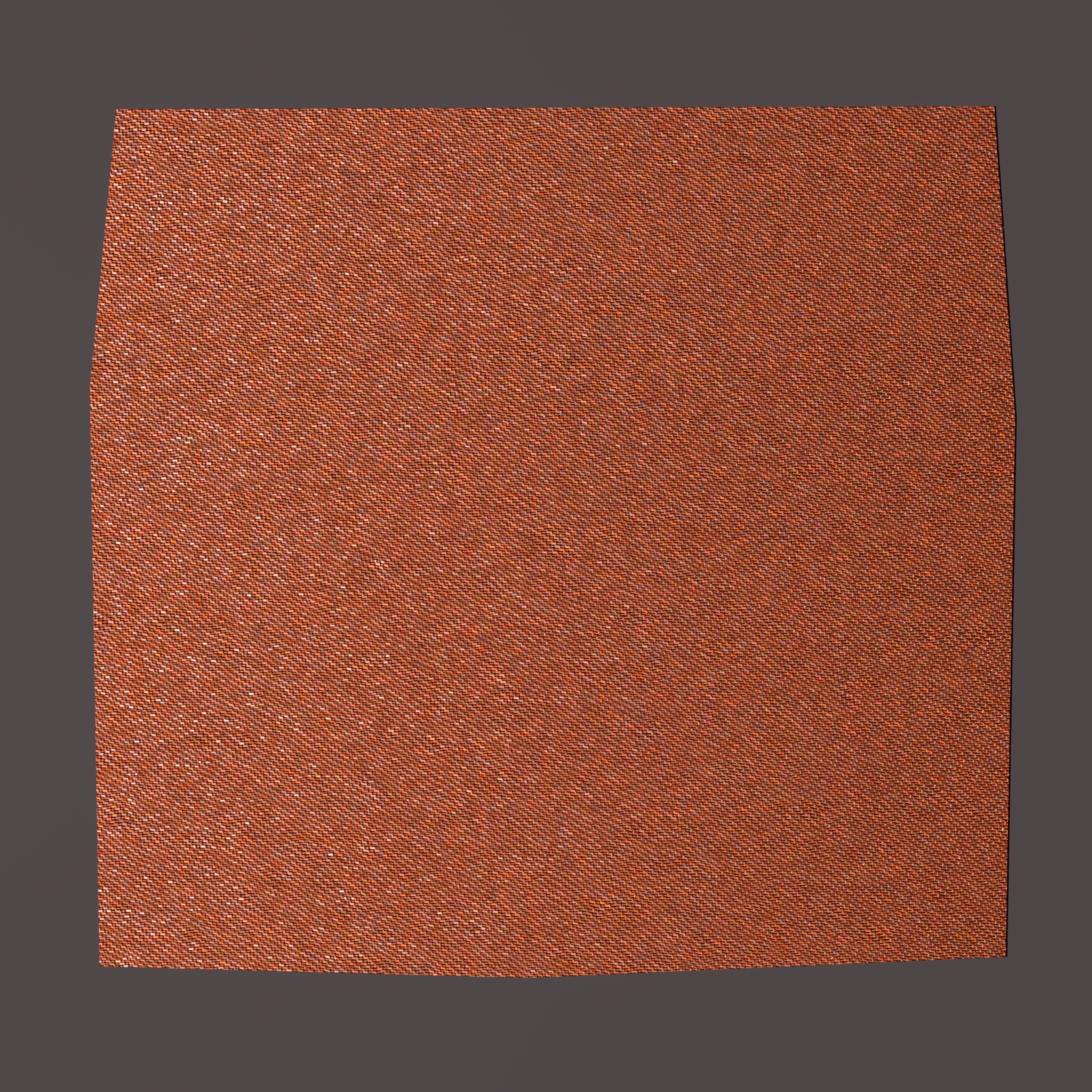
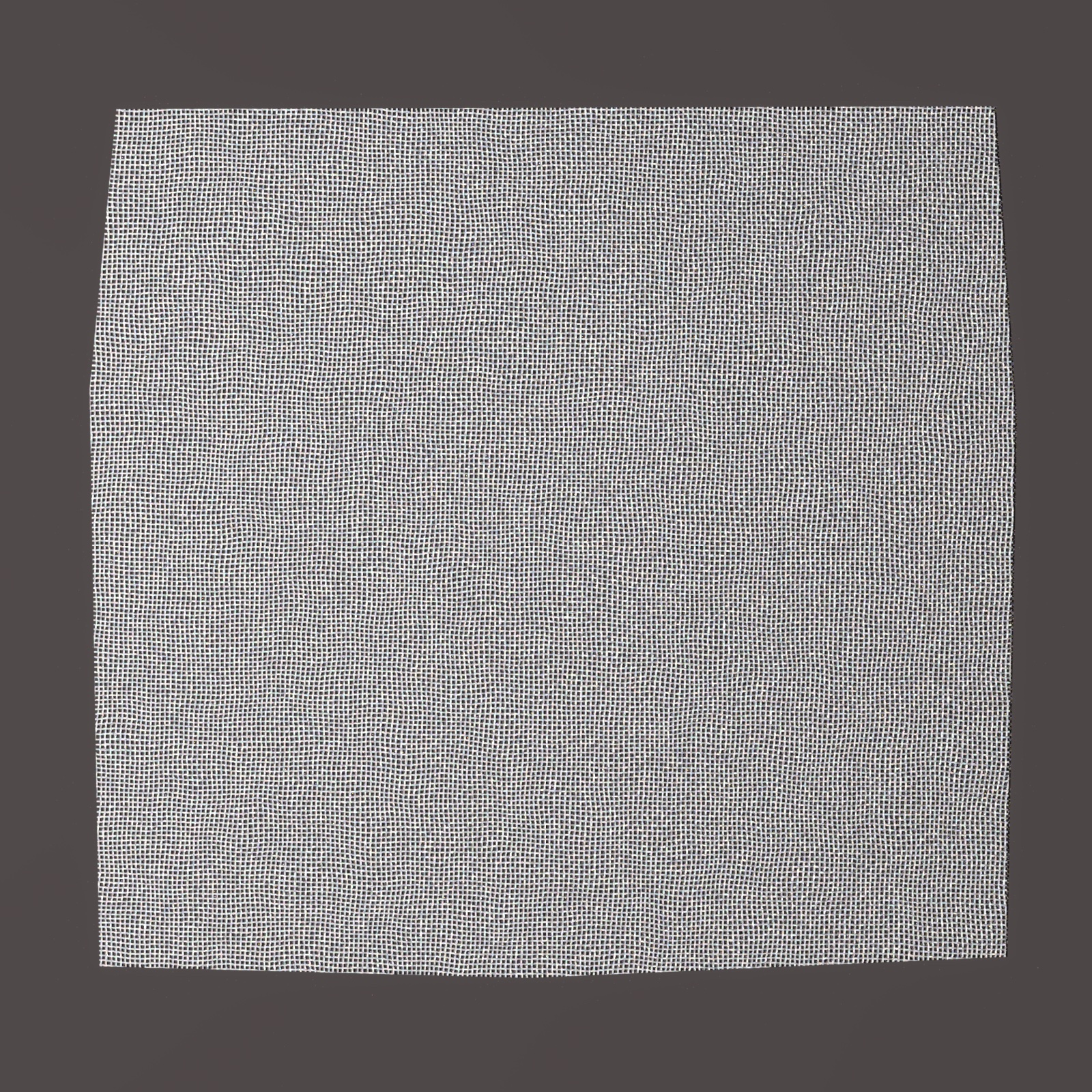
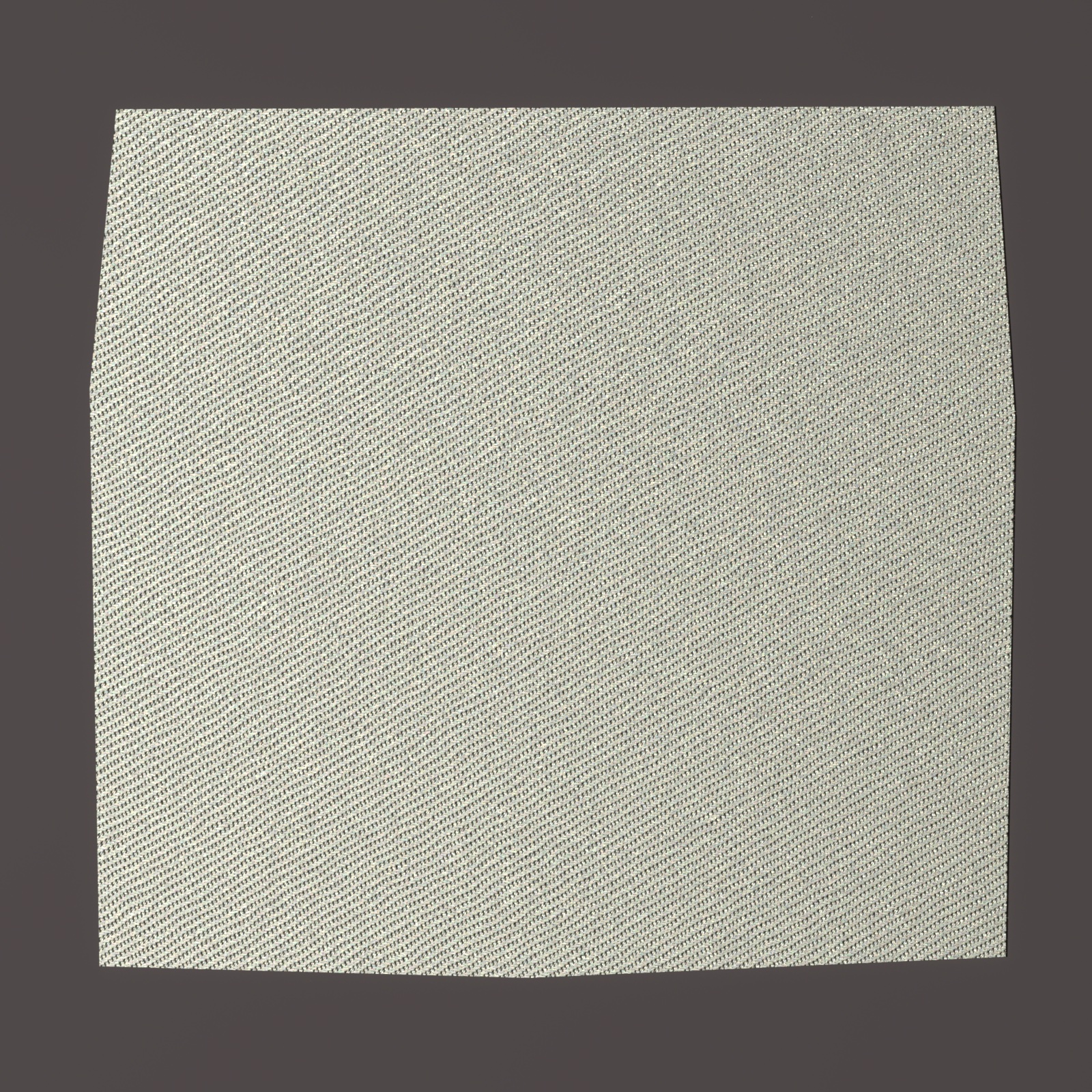
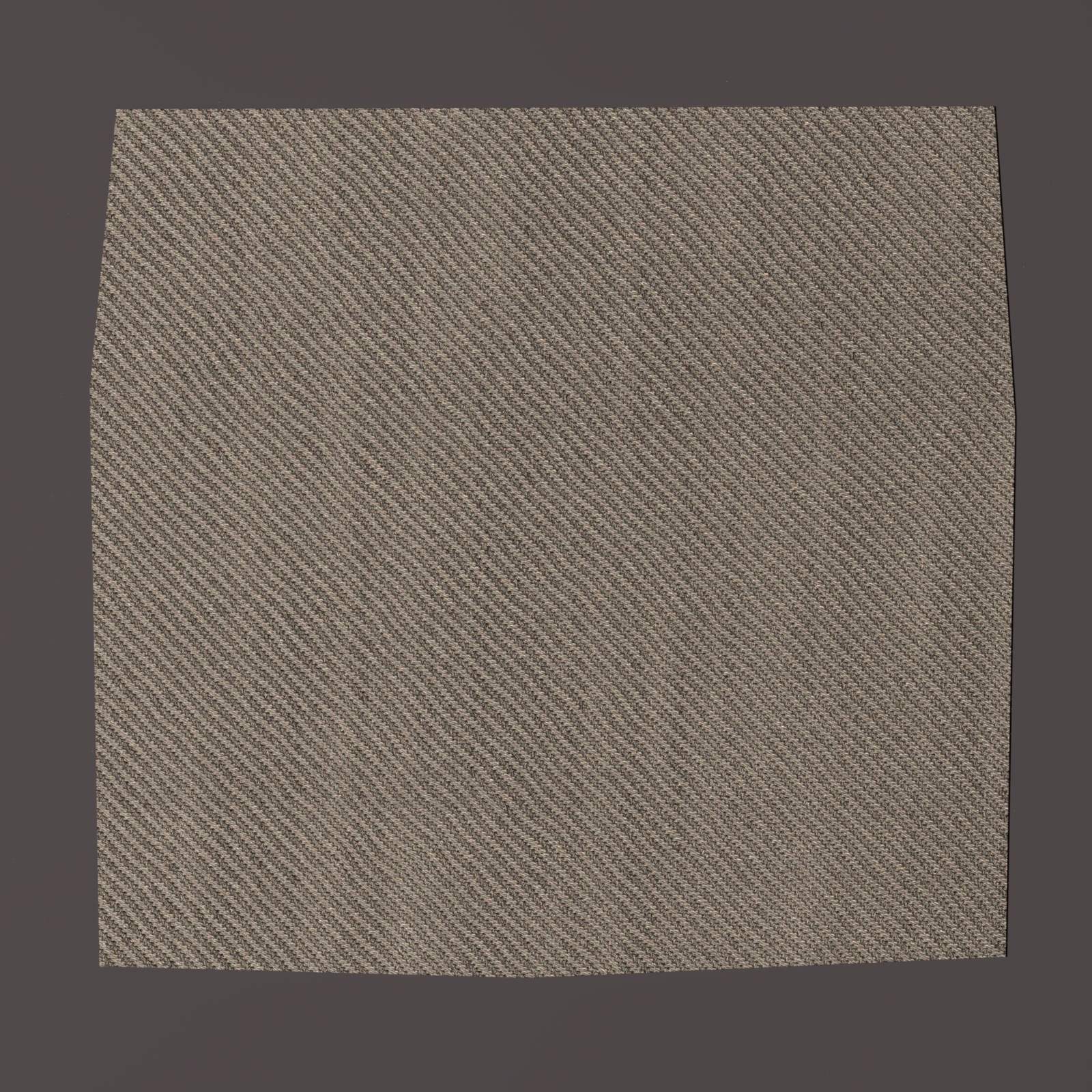
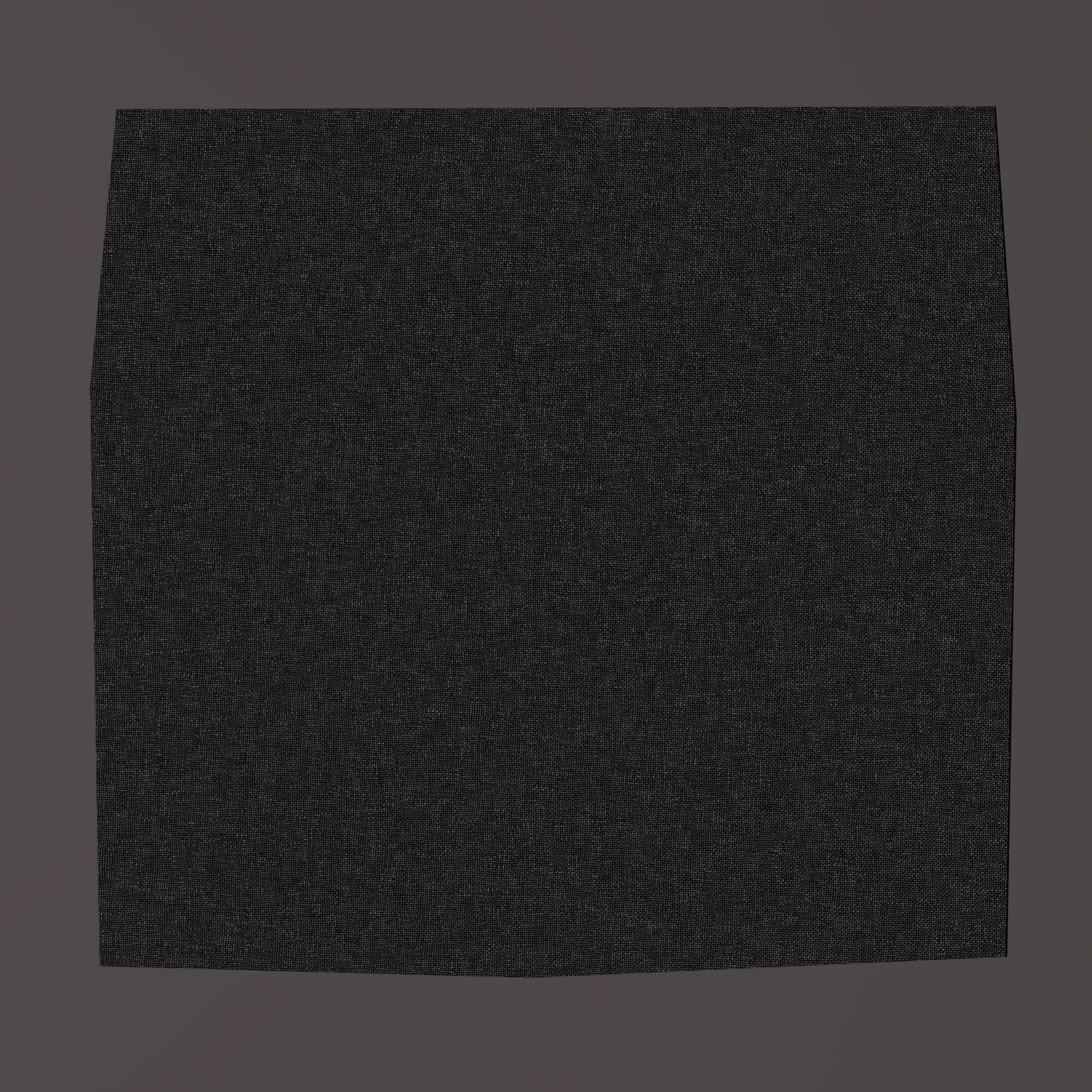
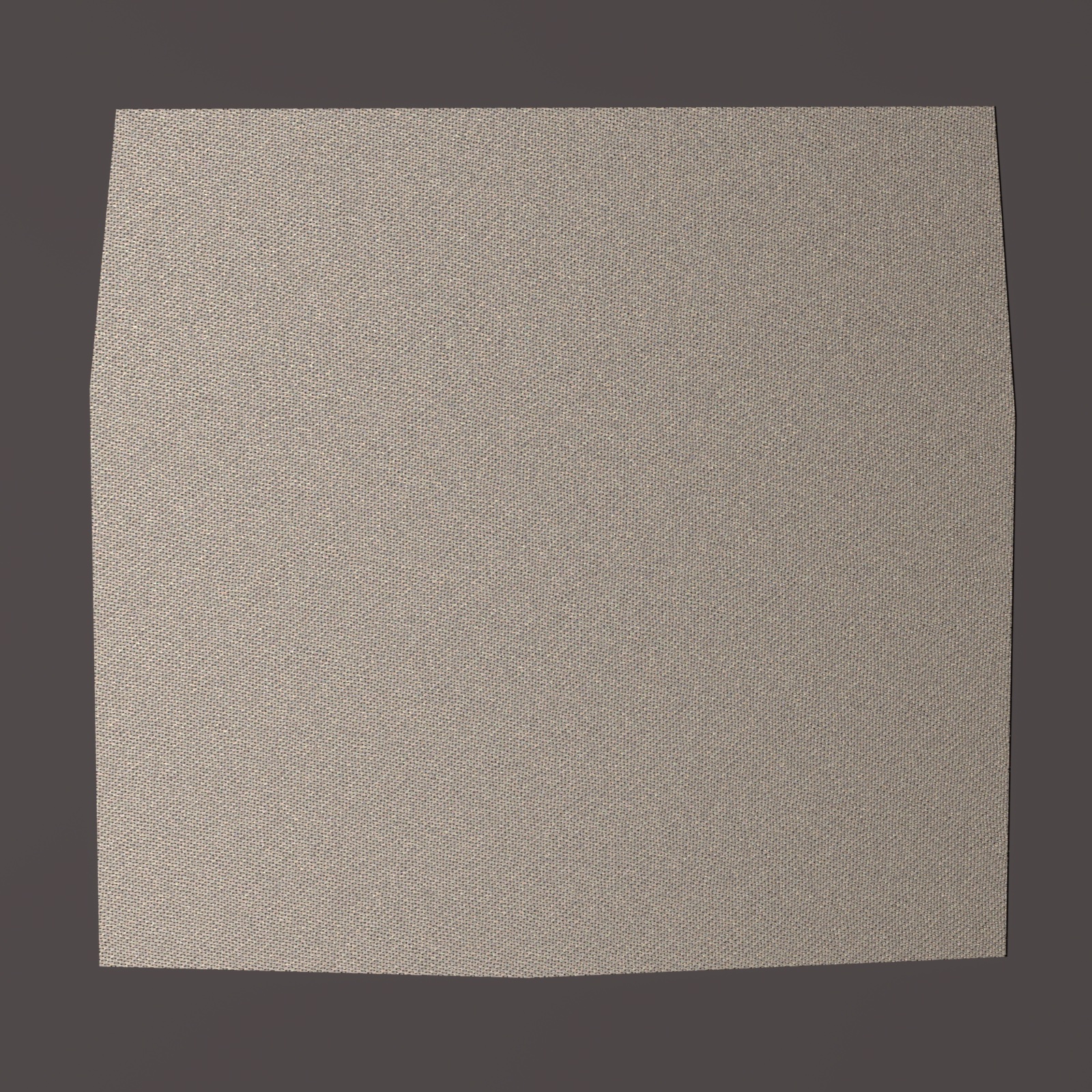
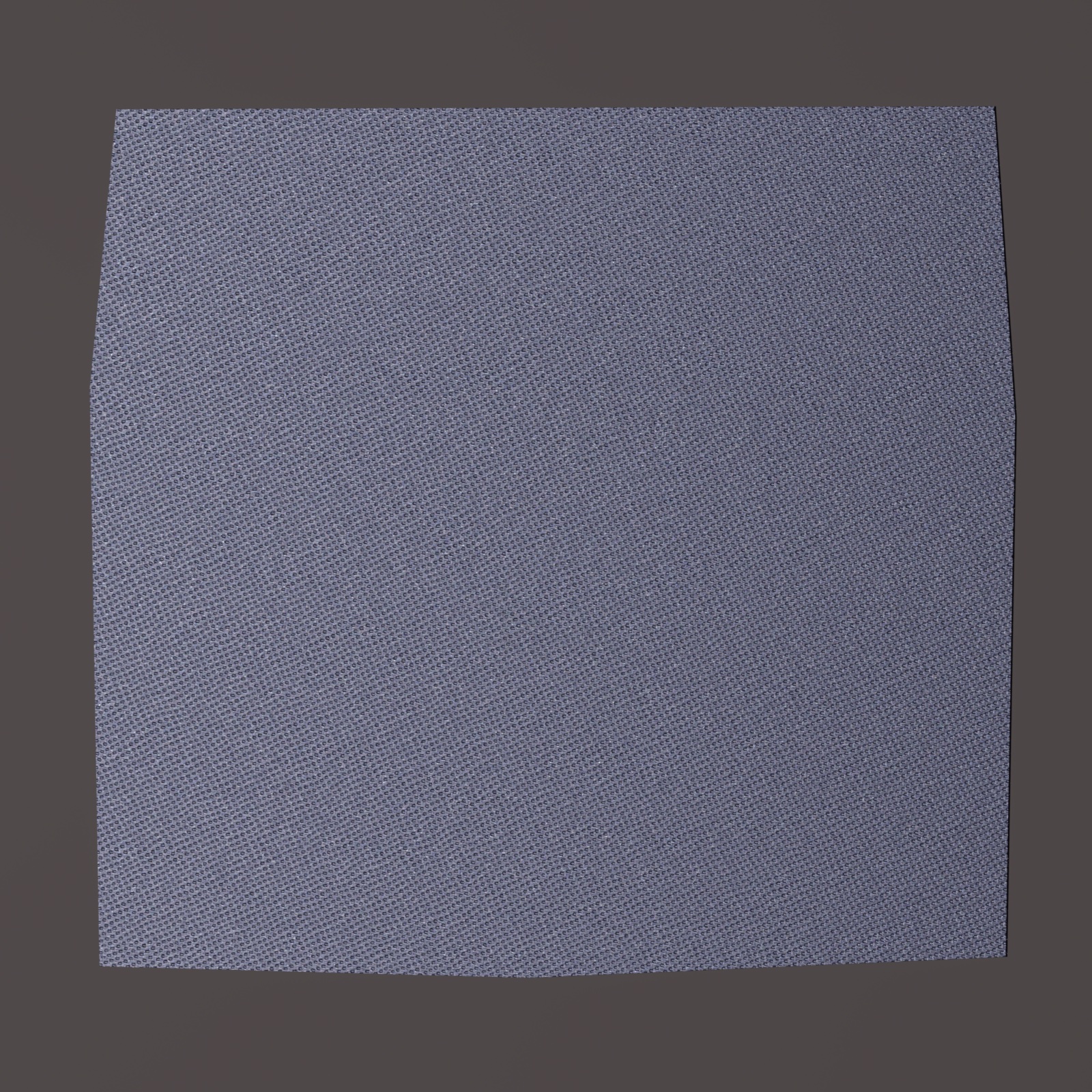
Individual cloth samples: orange polyester satin, white silk organza, cream cotton twill, gray wool twill, black polyester plain weave, beige silk satin, and blue cotton satin.